
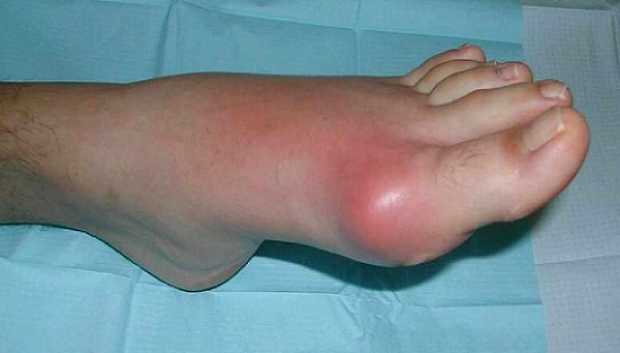
GOUT:
Inflammatory disease, Arthritis (knee, ankle, wrist, elbow) and Kidney
^Uric acid (Hyperuriemia)
Monosodium Urate Crystals deposits (Tophus) (needle like crystals)
Purines -> Uric Acid -> Monosodium Urate Crystals -> Deposition -> Gout
^Red Meat, Shell fish (^ Purines consumption)
^Fructose Corn Juices (^Purine Production)
^Dehydration, Alcohol consumption (\/ uric acid clearance)
Obesity, Diabetes, Radiation, Genetic, CKD
Rx: Aspirin
Podagra Pain (First Metatarsal of big toe) (Toe on fire)
Inflammation due to WBC
Inv:
Non Lab: X-Ray shows UA deposits in joints
Lab: Synovial Fluid Analysis, Uric Acid Level in Blood, CBC to see abnormal rise in WBC levels (To diff between Septic Arthritis and Gout)
To R/O Arthritis: Rheumatoid Factor (RF) and ANA (Anti-nuclear Antibody), Synovial Fluid (For Septic)
RX: NSAIDs for Pain (Ibuprofen, Naproxen Sodium), Corticosteroids occasionally. Colchicine – Inhibits WBC migration. Treat Underlying cause: Diet Modification
Diet:
Hydration; Reduce alcohol, red meat, soda, sea food; Stay active.
Medication to decrease Uric Acid Levels:
1.Xanthine Oxidase Inhibitors : Allopurinol
Xanthine Oxidase is the enzyme responsible for conversion of Purines -> Uric Acid. Inhibiting XO decreases UA levels.
2.Uricosuric Medications : Probenecid
Increases excretion of Uric Acid
Chronic Gout : Arthritis, Tissue Destruction, ^ Kidney Stones
Contraindication: Thiazide Diuretics
RX: Surgical excision of chalky white material from joint can render patient symptom free with ^ mobility. Histopath examination confirms gouty Tophus.
Diet:
Limit High Purine Food:
1.Offal, liver, kidney
2.pheasant, rabbit, venison
3.seafood, prawns, mussels, clams
4.sugar-sweetened soft drinks, soda, fruit juices
5.alcohol
6.refined sugar, biscuits, cakes
7.red meat
Low Purine Food:
1.dairy, milk, yogurts, cheese
2.soya
3.eggs
4.fruits and vegetables
5.bread and cereals
6.pasta, rice, noodles
Diet: Vitamin C 500milligram per day is useful in decreasing gout, cherries are great choice of edible for gout, coffee in moderation helps decreasing gout.
General Aim:
A gout diet is designed to help you:
- Achieve a healthy weight and good eating habits
- Avoid some, but not all, foods with purines
- Include some foods that can control uric acid levels
A good rule of thumb is to eat moderate portions of healthy foods
Diet details
The general principles of a gout diet follow typical healthy-diet recommendations:
- Weight loss. Being overweight increases the risk of developing gout, and losing weight lowers the risk of gout. Research suggests that reducing the number of calories and losing weight — even without a purine-restricted diet — lower uric acid levels and reduce the number of gout attacks. Losing weight also lessens the overall stress on joints.
- Complex carbs. Eat more fruits, vegetables and whole grains, which provide complex carbohydrates. Avoid foods and beverages with high-fructose corn syrup, and limit consumption of naturally sweet fruit juices.
- Water. Stay well-hydrated by drinking water.
- Fats. Cut back on saturated fats from red meat, fatty poultry and high-fat dairy products.
- Proteins. Focus on lean meat and poultry, low-fat dairy and lentils as sources of protein.
Recommendations for specific foods or supplements include:
- Organ and glandular meats. Avoid meats such as liver, kidney and sweetbreads, which have high purine levels and contribute to high blood levels of uric acid.
- Red meat. Limit serving sizes of beef, lamb and pork.
- Seafood. Some types of seafood — such as anchovies, shellfish, sardines and tuna — are higher in purines than are other types. But the overall health benefits of eating fish may outweigh the risks for people with gout. Moderate portions of fish can be part of a gout diet.
- High-purine vegetables. Studies have shown that vegetables high in purines, such as asparagus and spinach, don’t increase the risk of gout or recurring gout attacks.
- Alcohol. Beer and distilled liquors are associated with an increased risk of gout and recurring attacks. Moderate consumption of wine doesn’t appear to increase the risk of gout attacks. Avoid alcohol during gout attacks, and limit alcohol, especially beer, between attacks.
- Sugary foods and beverages. Limit or avoid sugar-sweetened foods such as sweetened cereals, bakery goods and candies. Limit consumption of naturally sweet fruit juices.
- Vitamin C. Vitamin C may help lower uric acid levels. Talk to your doctor about whether a 500-milligram vitamin C supplement fits into your diet and medication plan.
- Coffee. Some research suggests that drinking coffee in moderation, especially regular caffeinated coffee, may be associated with a reduced risk of gout. Drinking coffee may not be appropriate if you have other medical conditions. Talk to your doctor about how much coffee is right for you.
- Cherries. There is some evidence that eating cherries is associated with a reduced risk of gout attacks.
Monitoring Gout:
1.Serum Uric Acid – Once every month after starting treatment (Allopurinol)
2. Once UA comes down to below 360µmol/L, Serum Uric Acid and RFT can be done once every year.
| ReplyForward |

 Sethu's Notes