Ear Infection (Otitis Externa)

EAR INFECTION:

  • 1.Otitis Externa (Swimmer’s ear)
  • 2.Otitis Media
    • a) Acute Otitis Media
    • b) Chronic Otitis Media
  • 3.Labyrinthitis

1.OTITIS EXTERNA:

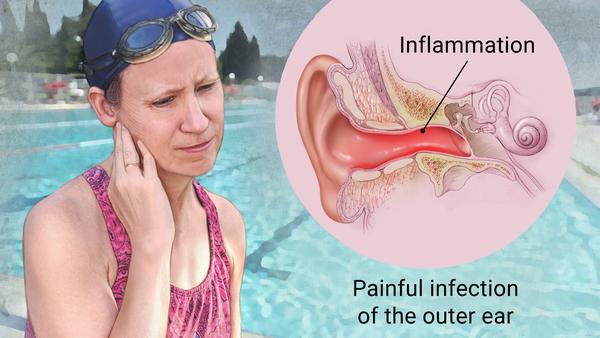
^Cause inflammation (redness and swelling) of the external ear canal(EAC), which is the tube between the outer ear and eardrum. 

^Called as swimmer’s ear as repeated exposure to water can make ear canal more vulnerable to inflammation.

Symptoms:

  • ^Ear pain, can be severe. (Otalgia)
  • ^itchiness in the ear canal (Pruritus) 
  • ^a discharge of liquid or pus from the ear (Otorrhea)
  • ^some degree of temporary hearing loss
  • ^tenderness to palpation 
  • ^usually one ear is affected 

Causes:

  • ^bacterial infection (most common) (Pseudomonas aeruginosa and Staphylococcus aureus).
  • ^irritation.
  • ^fungal infections (Otomycosis) (Aspergillus, Candida).
  • ^allergies.
  • ^damaging skin inside your ear (due to cotton wool buds)
  • ^regularly getting water in your ear (ideal environment for bacteria to grow).

Prevention:
^Instruct Patient to not use cotton swabs or any other objects to canal.

^Swimmers are to be instructed to use ear plugs and advised to use alcohol-vinegar (1:1) drops after swimming.

Ix:

^Otoscopy (reveals mycelia establishing diagnosis of Otomycosis)

^Lab: typically not needed, gram staining and culture of auditory canal can help in patients with immunocompromised status.

Cx:

  • ^Abscess
  • ^Stenosis of ear canal (due to thick and dry skin build inside ear canal due to chronic OE)
  • ^Inflamed or perforated eardrum (spread of infection to ear drum causing tear and symptoms such as: temporary hearing loss, earache or discomfort, a discharge of mucus from ear, ringing or buzzing in your:tinnitus) 
  • ^Malignant otitis external, infection spreads from the ear canal into the surrounding bone, requires prompt treatment with antibiotics and sometimes surgery, can be fatal if left untreated.

Rx:

  • ^sometimes can self-resolve, but takes several weeks
  • ^NSAID, Opioids or topical steroid preparations (for pain)
  • ^Antibiotic drops (Ofloxacin, Ciprofloxacin, Colistin, Polymyxin B, Neomycin, Chloramphenicol, Gentamicin and Tobramycin.)
  • ^Polymyxin B and Neomycin preparations are often used in combination for the treatment of S Aureus and P Aeroginosa Infections.
  • ^Steroid ear drops helps reduce edema and otalgia
  • ^Otomycosis Rx includes cleansing and debriding the EAC, acidifying the canal, and administering anti fungal agents.
  • ^Non specific Antifungal (Merthiolate)
  • ^Specific anti fungal (clotrimazole, Nystatin, Ketoconazole)
  • ^Itraconazole is orally administered, effective against Aspergillus.
  • ^Aural packing (Ear wick placement) and Antibiotic/combination preparation application – 4 times a day like 3-4 drops, changed every day.

Treatment Guidelines:

  1. Acute otitis externa should be distinguished from other possible causes of ear canal inflammation.
  2. Topical antimicrobial otic preparations should be considered the first-line treatment for uncomplicated acute otitis externa.
  3. Addition of a topical corticosteroid may result in faster resolution of symptoms such as pain, canal edema, and canal erythema.
  4. Systemic antibiotics should be used only if the infection has spread beyond the ear canal or in patients at high risk of such spread.
  5. Use of aural toilet should be considered to remove debris from the ear canal before treatment.

Dosage:

Common Antimicrobial Otic Preparations for OE:

  1. Acetic acid 2% (Vosol)  4-6 times daily. (May cause pain and irritation; may be less effective than other treatments if use is required beyond one week; often used as prophylactic agent).
  2. Ciprofloxacin 0.3%/dexamethasone 0.1% (Ciprodex) twice daily. Low risk of sensitization.
  3. Hydrocortisone 2%/acetic acid 1% (Vosol HC) 4-6 times daily; may cause pain and irritation. 
  4. Neomycin/Polymyxin B/hydrocortisone, solution or suspension: 3-4 times daily; Ototoxic; higher risk of contact hypersensitivity; avoid in chronic/eczematous otitis externa.
  5. Ofloxacin 0.3%; Once to twice daily; Low risk of sensitisation.

NECROTIZING (MALIGNANT) EXTERNAL OTITIS (NEO):

^Lethal infection of EAC and surrounding structures.

Cause:

^Pseudomonas Aeruginosa (common)

Risk Factors:

  • ^Diabetes Mellitus
  • ^Elderly
  • ^Immunocompromised state
  • ^Human Immunodeficiency Virus (HIV)

Symptoms:

  • ^Severe, unrelenting Ear pain & Headache
  • ^Persistent discharge
  • ^Does not respond to topical medications
  • ^Commonly associated with DM
  • ^Granulation tissue in posterior and inferior canal.
  • ^Extra-auricular findings:
    • 1.Cervical lymphadenopathy
    • 2.Trismus (TMJ involvement)
    • 3.Facial nerve palsy (Bell’s)

Dx:
^Lab: FBC, Culture of Discharge, ESR, Serum glucose, Serum Creatinine.

^Radio: CT or MRI (ear), Tc 99m medronate methylene bone scanning, Ga 65 scintigraphy.

Prevention:

  • ^Avoid use of cotton swabs in ear and other canal trauma/
  • ^Use caution when irrigating ear of high risk patients.
  • ^Treat eczema of ear canal and other pruritic dermatitis.

Rx:

  • ^IV Antibiotics for 4 weeks – with serial gallium scans monthly.
  • ^Local canal debridement until healed.
  • ^Pain control
  • ^Use of topical agents controversial
  • ^Hyperbaric oxygen experimental
  • ^Surgical debridement for refractory cases.
  • ^Mastoidectomy with facial Nerve decompression / subtotal petrosectomy.

Case study (Efficacy of Ciprofloxacin 0.2%):
https://www.ncbi.nlm.nih.gov/pmc/articles/PMC3150478/

Causes of Obesity

Causes of Obesity:

1.Eating too much and moving too little

Physically active man needs 2.5k calories a day,

Physically active woman needs 2k calories a day.

2.Poor diet
^Eating large amount of processed or fast food (high in fat & sugar)

^drinking too much alcohol (contains lot of calories)

^eating out a lot (temptation + food can be higher in fat & sugar)

^eating larger portions than you need 

^drinking too many sugary drinks (soft drinks, fruit juice)

^comfort eating (low self-esteem, depression)

3.Lack of physical activity

The Department of Health and Social Care recommends that adults do at least 150 minutes of moderate-intensity aerobic activity, such as cycling or fast walking, every week. This does not need to be done all in a single session, but can be broken down into smaller periods. For example, you could exercise for 30 minutes a day for 5 days a week.

4.Genetics (very rare)

Prader-Willi Syndrome (fault in Chromosome 15)

5.Medical reasons

^Underactive thyroid gland (Hypothyroidism)

^Cushing’s syndrome (overproduction of steroid hormones)

6.Certain Medicines can contribute to weight gain

^Corticosteroids 

^Medications for epilepsy and diabetes (Sodium valproate and Sulphonylureas)

^certain antidepressants (Tricyclic antidepressants)

^medicines for Schizophrenia 

^Beta-blockers

^Oestrogen-containing contraceptive pill

^weight gain can sometimes be a side effect of stopping smoking.

Cx:
^Quality of life

^Sleep apnea

^Infertility

^Gout

^High blood pressure

^Diabetes

^Cancer

^Coronary Heart Disease

^Gall Stones

^Arthritis 

Dx:

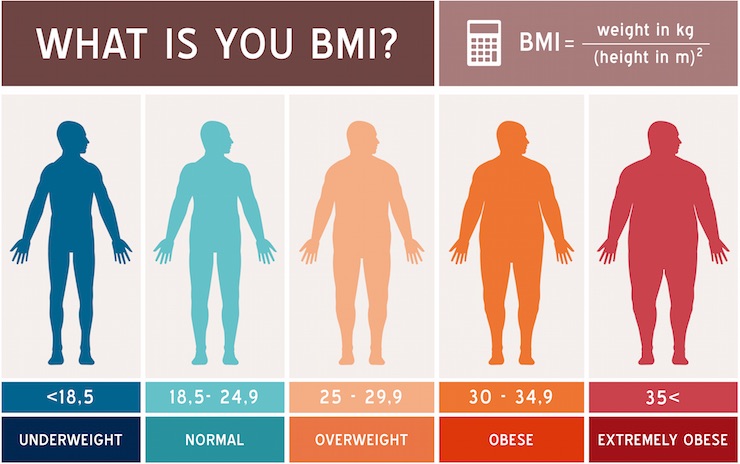
^BMI (>30) (Wt in kg/ht in m)

^History taking (lifestyle, underlying cause, mental health, family h/o)

^Blood pressure (HTN risk)

^Blood sugar (DM risk)

^Lipid profile

^Waist circumference (People with very large waists, generally, 94cm or more in men and 80cm or more in women develop obesity related health problems) 

Rx:

^Healthy balanced diet 

^Physical activity

^Diet – There’s no single rule that applies to everyone, but to lose weight at a safe and sustainable rate of 0.5 to 1kg a week, most people are advised to reduce their energy intake by 600 calories a day. Try to avoid foods containing high levels of salt because they can raise your blood pressure, which can be dangerous for people who are already obese. 

^Supervised low-calorie diet

^Avoiding weight regain: It’s important to remember that as you lose weight your body needs less food (calories), so after a few months, weight loss slows and levels off, even if you continue to follow a diet. If you go back to your previous calorie intake once you’ve lost weight, it’s very likely you’ll put the weight back on. Increasing physical activity to up to 60 minutes a day and continuing to watch what you eat may help you keep the weight off.

Medication: 

1.Orlistat (Pancreatic lipase inhibitor) 

Dose: 120mg TDS (fat absorption inhibited by 30%) (effective in patient suffering from type 2 dm)

2.Sibutramine (Serotonin-norepinephrine reuptake inhibitor)

Dose: 5-15mg/day (Inhibits reuptake of Serotonin; norepinephrine at hypothalamic sties).

Note: Withdrawn in certain countries due to increased Cardiovascular risks.

3.Rimonobant (Cannabinoid type-1 receptor antagonist)

(Developed for smoking cessation; facilitate weight loss)

Note: Withdrawn in certain countries due to serious psychiatric side effects.

4.Lorcaserin (Serotonin 2C receptor agonist -> Promotes satiety) (Adjunct to low calorie diet and ^physical activity)

Dose: 10mg BD

5.Phentermine & Topiramate (Qsymia)

Mediates release of catecholamine’s; reduced appetite; decreased food consumption.

Dose: 3.7mg/23mg OD x 14 days & then;

Increase to 7.5mg/46mg OD.

After 12 weeks, <3% weight loss -> discontinue.

High Dose: 15mg/90mg (PHEN/TPM) OD.

6.Naltrexone & Bupropion (Contrave)

MOA: Combined to dampen the motivation that food brings (dopamine effect) and the pleasure of eating (opioid effect).

Dose: 32mg/360mg (Naltrexone-Bupropion) 

7.Liraglutide

MOA: Weight loss effects via hypothalamic neural activation causing appetite suppression.

Dose: 3mg OD, injected s/c.

Surgery:

1.Bariatric Surgery (Laproscopically)

Goal: Disrupting release of ghrelin (the hormone responsible for increasing food intake by increasing size and number of meals) and other peptides -> enhancing satiety.

Efficacy of Orlistat: 

Context:

Rapidly rising prevalence of obesity is alarming. Obesity predisposes to co-morbidities like hypertension, type 2 diabetes mellitus, dyslipidemias, thus substantially rising healthcare expenditure. Lifestyle modifications alone have very limited success, necessitating the addition of pharmacotherapy to it.

Objective:

Present study was carried out to evaluate the efficacy and safety of orlistat in obese patients.

Materials and Methods:

Eighty obese (BMI>30) patients according to inclusion and exclusion criteria were randomized into either of the two groups. Group 1 received orlistat 120 mg three times a day and group 2 received placebo three times a day. Weight, waist circumference, BMI, total cholesterol, triglycerides, HDL, LDL were measured at baseline and then at 8th, 16th and 24th week. ADR reported by patients were recorded. For safety evaluation various hematological and biochemical parameters were assessed. Z test was used for analysis of data.

Results:

Compared to placebo, orlistat caused significant reduction (P<0.05) in weight (4.65 kg vs 2.5 kg; orlistat vs placebo, respectively), BMI (1.91 kg/m2 vs 0.64 kg/m2) and waist circumference (4.84 cm vs 2 cm), cholesterol (10.68 mg vs 6.18 mg) and LDL level (5.87 mg vs 2.33 mg). In the orlistat group, the GI side effects like loose stools, oily stools/spotting, abdominal pain and fecal urgency were observed.

Conclusion:

Orlistat is an effective and well-tolerated antiobesity drug, which can be employed as an adjunct to therapeutic lifestyle changes to achieve and maintain optimal weight.

Source:

https://www.ncbi.nlm.nih.gov/pmc/articles/PMC3125014

Anti-Obesity Drugs (Safety and Efficacy):

https://www.ncbi.nlm.nih.gov/pmc/articles/PMC3283822/

Approach to Dizziness

^Common yet Imprecise symptom used to describe variety of common sensations.

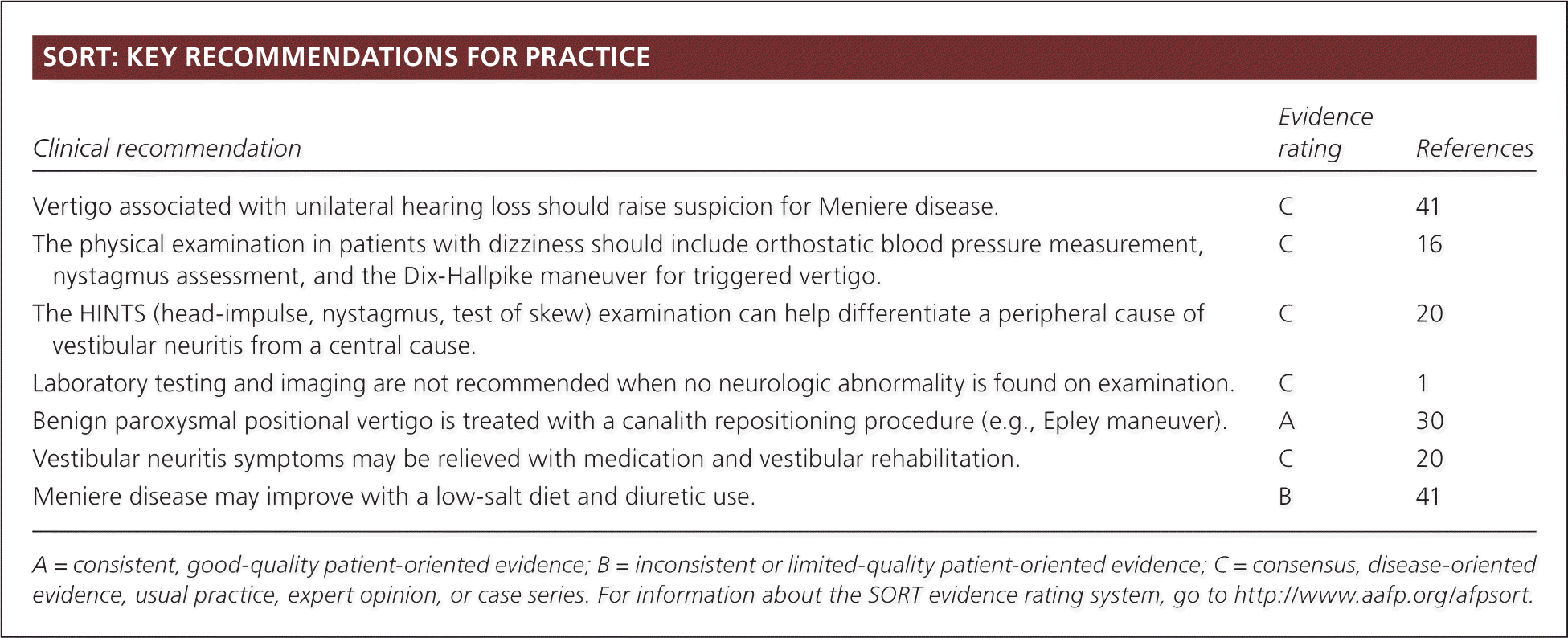
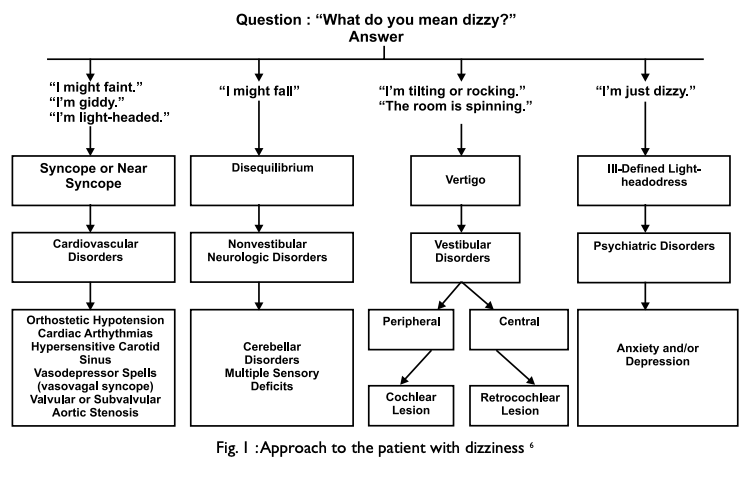
^It was traditionally divided into four categories based on the patient’s history: vertigo, presyncope, disequilibrium, and light-headedness. 

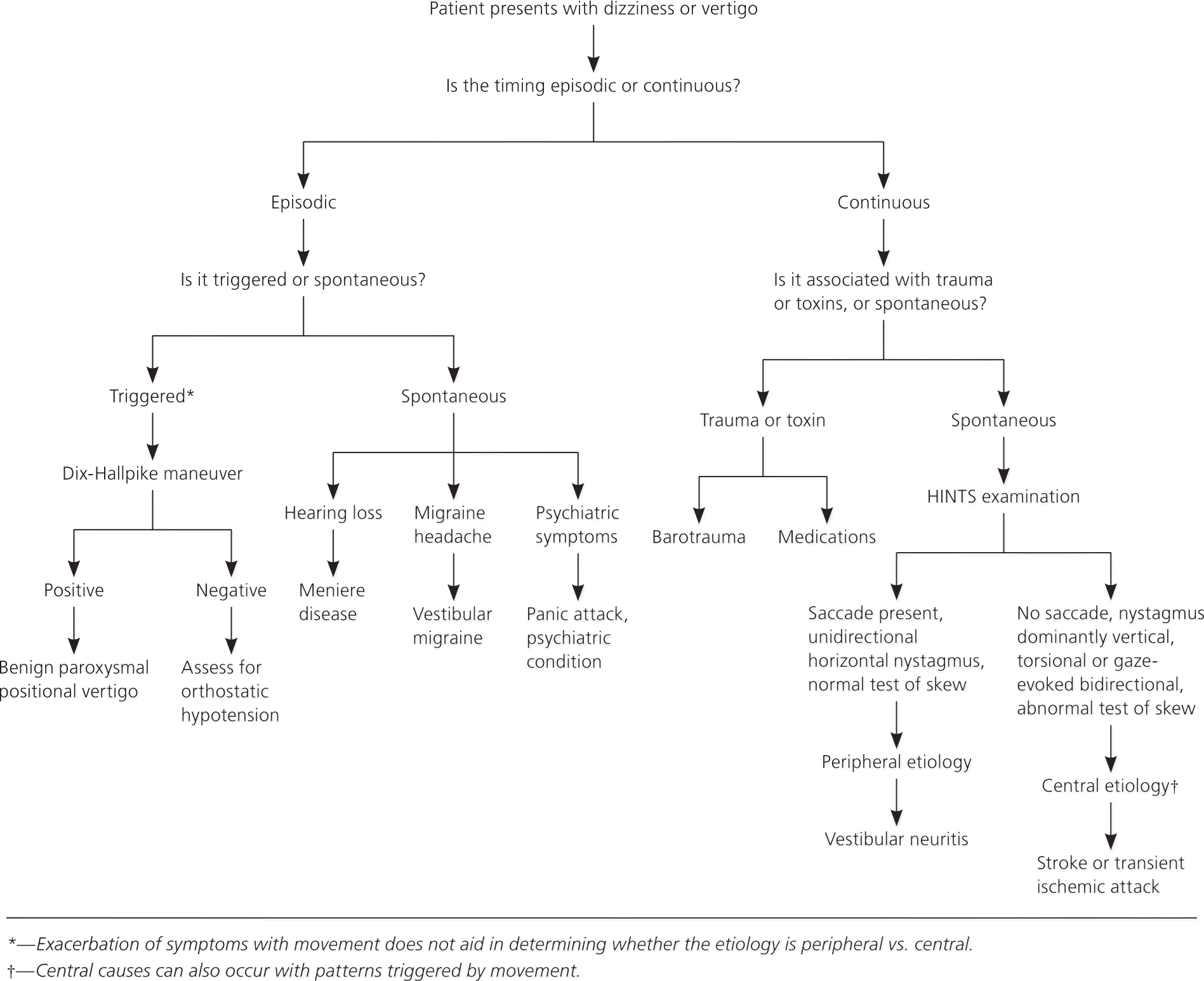
^However, the distinction between these symptoms is of limited clinical usefulness. Patients have difficulty describing the quality of their symptoms but can more consistently identify the timing and triggers.

^The differential diagnosis is broad, the symptoms are vague, physicians must distinguish benign from serious causes that require urgent evaluation and treatment.

General Approach:

History Taking:

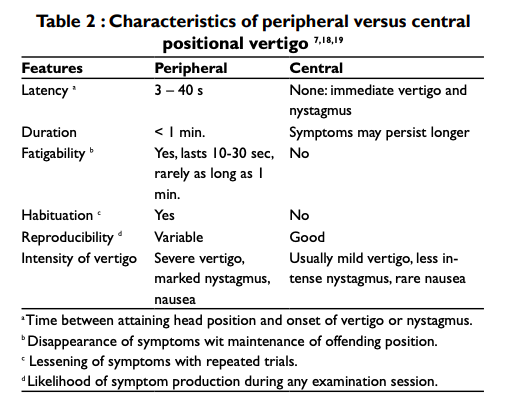
Dizziness can be divided into episodes that last for seconds, minutes, hours, or days. Common causes of brief dizziness (seconds) include benign paroxysmal positional vertigo (BPPV) and orthostatic hypotension, both of which typically are provoked by changes in head and body position. Attacks of vestibular migraine and Ménière’s disease can last hours. When episodes are of intermediate duration (minutes), transient ischemic attacks of the posterior circulation should be considered, although migraine and a number of other causes are also possible. 

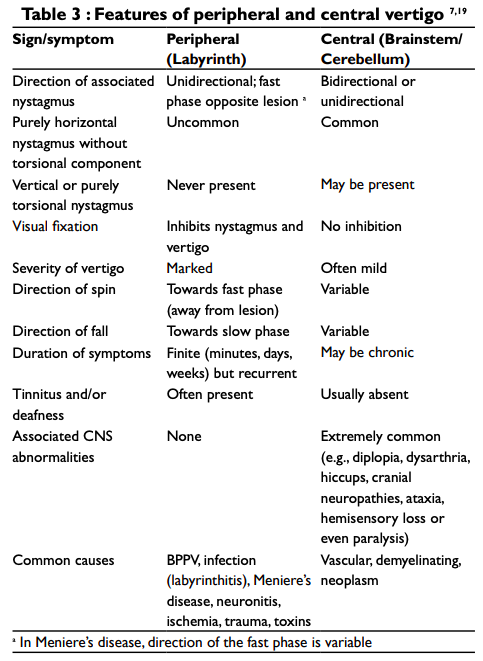
Symptoms that accompany vertigo may be helpful in distinguishing peripheral vestibular lesions from central causes. Unilateral hearing loss and other aural symptoms (ear pain, pressure, fullness) typically point to a peripheral cause. Because the auditory pathways quickly become bilateral upon entering the brainstem, central lesions are unlikely to cause unilateral hearing loss, unless the lesion lies near the root entry zone of the auditory nerve. Symptoms such as double vision, numbness, and limb ataxia suggest a brainstem or cerebellar lesion.

Examination:

  • Complete Neurological Examination.
  • Particular focus should be given to assessment of eye movements, vestibular function, and hearing. 
  • Audiometry should be performed whenever a vestibular disorder is suspected.
  • Neuroimaging is important if a central vestibular disorder is suspected. In addition, patients with unexplained unilateral hearing loss or vestibular hypofunction should undergo magnetic resonance imaging (MRI) of the internal auditory canals, including administration of gadolinium, to rule out a schwannoma.

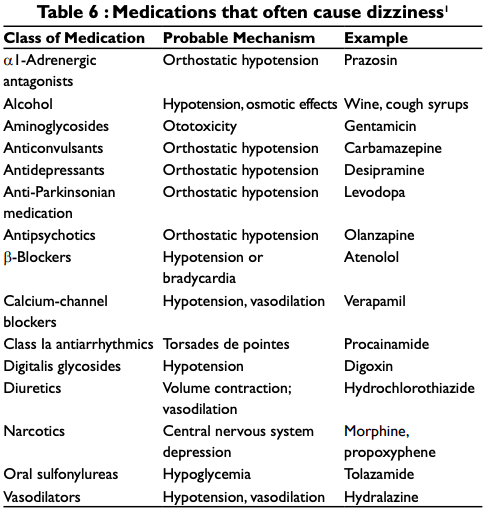
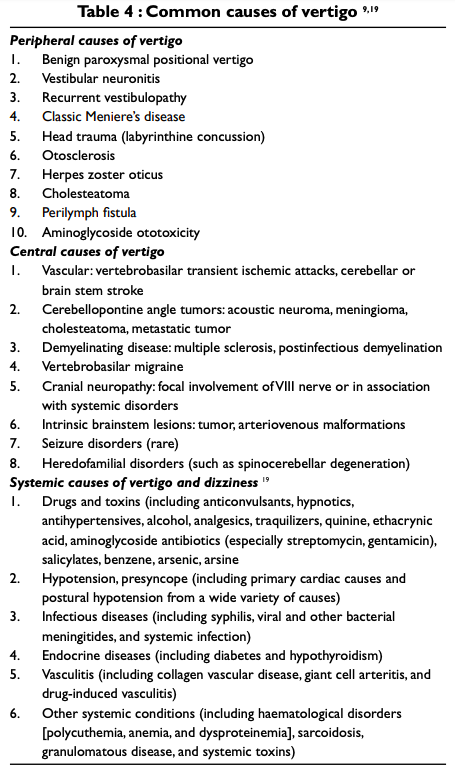
Causes & Differential Diagnosis:

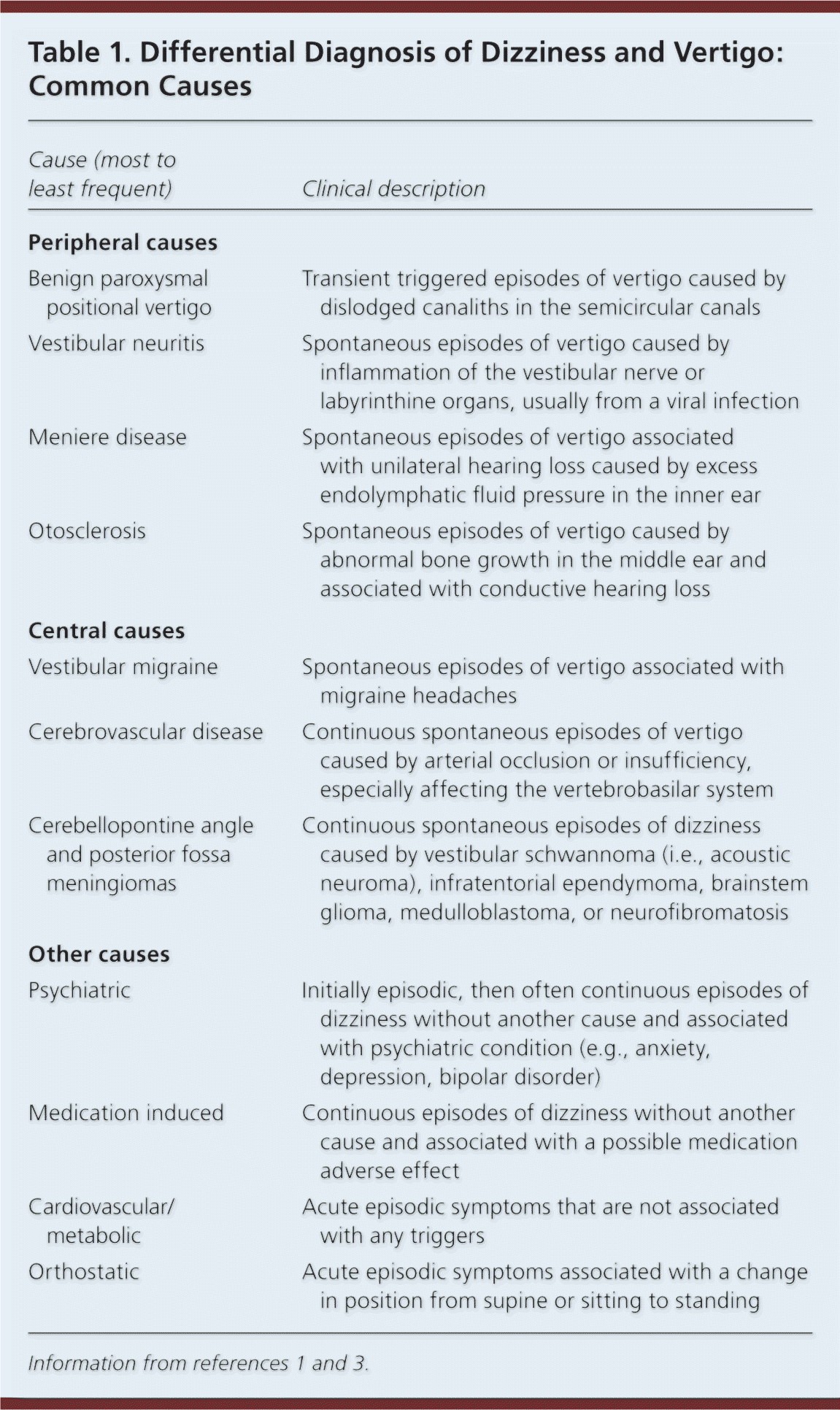
Rx:

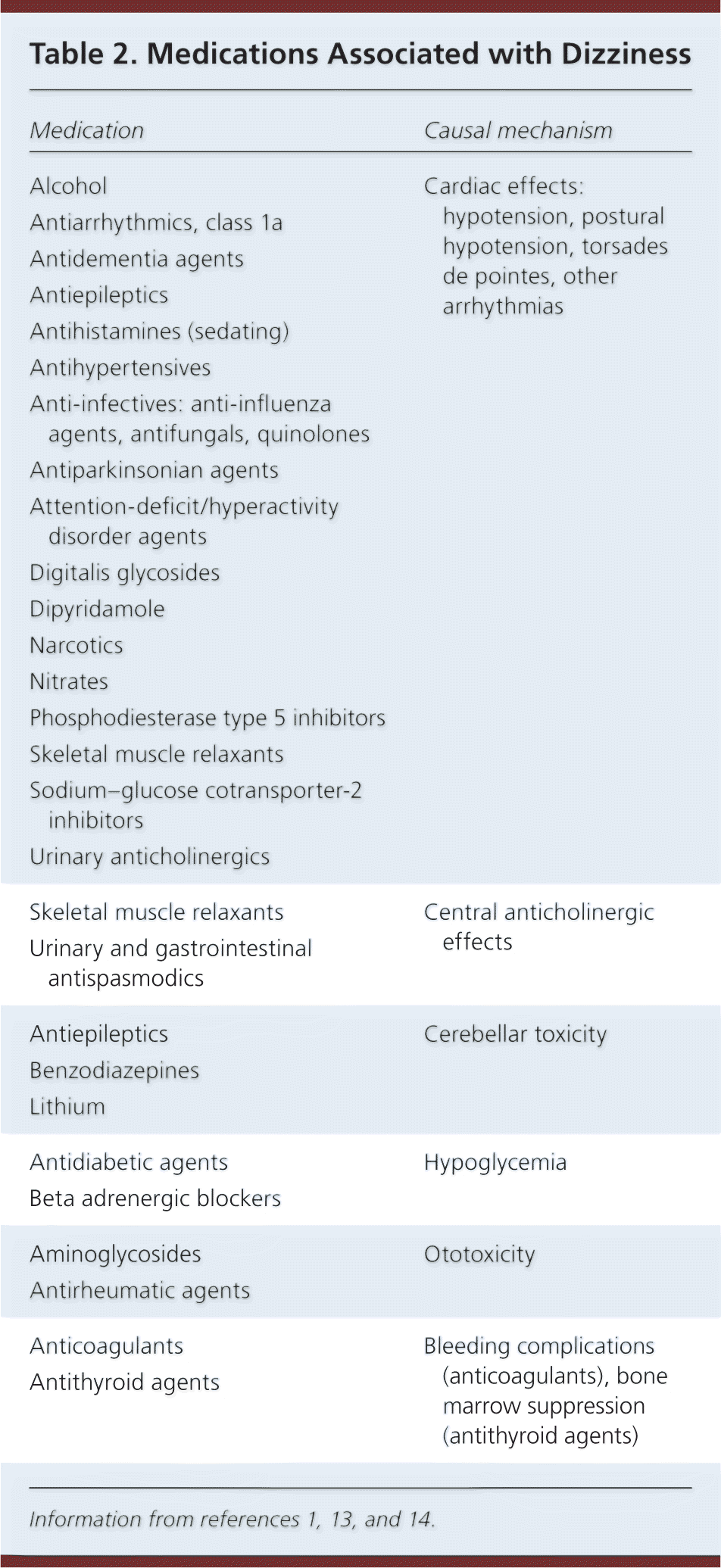
The treatment of dizziness or vertigo depends specifically on the cause. A detailed account of treatment modalities is out of the scope of this review. However, it should be born in mind that simply going on prescribing the vestibular suppressant drugs when the patient’s dizziness is due to orthostatic hypotension or due to some drug toxicity may not solve the purpose, rather may be detrimental. Thus, it is crucial to analyze the symptom of “dizziness” thoroughly to make the actual etiology clear before deciding the treatment modality.

Commonly used Medications for Suppression of Vertigo:

As noted, these medications should be reserved for short-term control of active vertigo, such as during the first few days of acute vestibular neuritis, or for acute attacks of Ménière’s disease. They are less helpful for chronic dizziness and, as previously stated, may hinder central compensation. 

An exception is that benzodiazepines may attenuate psychosomatic dizziness and the associated anxiety, although SSRIs are generally preferable in such patients. 

Vestibular rehabilitation therapy promotes central adaptation processes that compensate for vestibular loss and also may help habituate motion sensitivity and other symptoms of psychosomatic dizziness. 

The general approach is to use a graded series of exercises that progressively challenge gaze stabilization and balance.

Dosage:
Antihistamines

  1. Meclizine 25-50mg TDS
  2. Dimenhydrinate 50mg OD/BD
  3. Promethazine 25mg BD/TDS (Can also be given rectally or IM)


Benzodiazepines:

  1. Diazepam 2.5mg OD/TDS
  2. Clonazepam 0.25mg OD/TDS

Anticholinergic

  1. Scopolamine transdermal (Patch)

Physical Therapy:

  1. Repositioning manoeuvres
  2. Vestibular Rehabilitation

Intestinal Parasite Infestation (Helminthic Infestations):

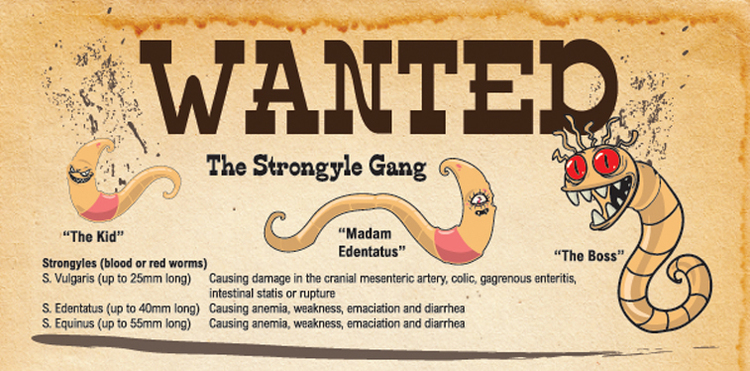
Causes:

Nematodes (roundworms), trematodes (flukes), and cestodes (tapeworms).

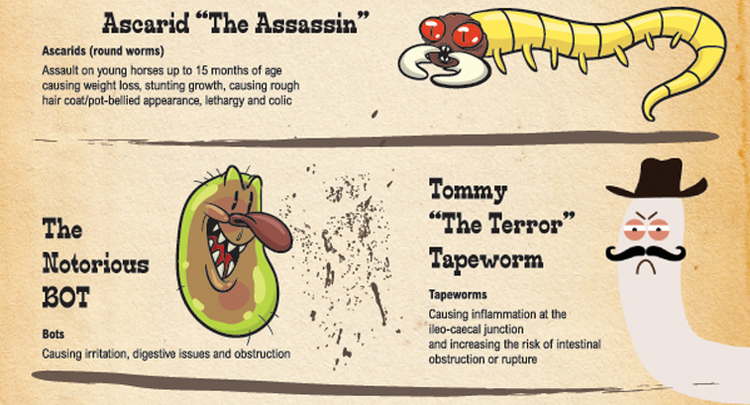
1.Ascaris lumbricoides (Roundworms)

Infection may also be acquired through ingestion of contaminated fruits and vegetables. Most infected individuals are asymptomatic due to low worm load. Clinical manifestations occur due to pulmonary hypersensitivity and intestinal complications. 

Symptoms:

Unexplained vomiting, abdominal pain, irritability, seeing worms in bathroom, pass worms in vomitus or feces. 

Cx:

Poor growth and nutritional deficiencies in young child.

In heavy worm infestation, small bowel obstruction can occur due to a mass of entangled worms. 

Worms migrate to aberrant sites such as biliary and pancreatic ducts, where they can cause cholecystitis, cholangitis, pancreatitis and rarely intra-hepatic abscess.

Inv:
Stool examination (ova and live parasites seen).

USG can identify worms in Pancreaticobiliary ducts.

Rx:
Albendazole 400mg OD (Taken with Food; fatty meal increases bioavailability) (DrugOfChoice-DOC)

Mebendazole 100mg q12h x 3d (or) 500mg OD. (DOC)

Ivermectin (BF) 150-200 ug/kg OD. (DOC)

Nitazoxanide Age 1-3y: 100mg Q12H x 3d (Optional)
Age 4-11y: 200mg Q12H x 3d
Age > 11y: 500mg Q12H x 3d.

2.Enterobius vermicularis (Pinworm or Threadworm)

Enterobius vermicularis is a small (1 cm long), white, threadlike worm that lives in the cecum, appendix, ileum and ascending colon. Eggs are not usually liberated in the gut. Gravid females migrate at night into the perianal region and release eggs there. The egg become infective within 6 hr. Perianal scratching causes transfer of eggs 10 finger nails. Infection occurs when eggs are ingested. The larvae hatch and mature within the intestine. Perianal itching, especially in night is the most common complaint.

Inv: 

Stool microscopy is not useful as eggs are generally not passed in the stools. Eggs can be demonstrated by examining the perianal swab obtained early in the morning before the child has defecated. 

Alternatively, a strip of transparent cellulose acetate tape is applied with sticky side down on the perianal region. The tape is lifted and pressed on a glass slide with the sticky side down. 

Rx:

All the members of the family should be treated simultaneously to prevent cross-infection and reinfection. The nails of the child should be cut short and scrubbed. Single dose mebendazole or albendazole or pyrantel pamoate are highly effective. The course may be repeated after 2 weeks.

Dosage:

Albendazole (with food) 400mg OD. (DOC)

Mebendazole 100mg Q12H x 3d. (DOC)

Pyrantel Pamoate (suspension can be mixed with milk/fruit) 11mg/kg base (max 1g) OD; repeat in 2 weeks. (DOC)

3.Ancylostoma duodenale and Necator americanus (Hookworm):

Hookworm infestation is an important cause of iron deficiency anemia. Most infected persons are asymptomatic.

Symptoms: 

Infective larvae may produce a pruritic maculopapular eruption known as ground itch; at the site of skin penetration.

Nonspecific complaints like abdominal pain, anorexia, and diarrhea have also been attributed to the hookworm infection.

Inv:

Still microscopy shows oval hookworm eggs.

Blood examination including Peripheral Smear which reveals microcytic, hypochromic anaemia, and total Eosinophil count as occasionally there is eosinophilia.

Rx:

For eradication of Worms:

Albendazole (with food) 400mg OD; repeat in 2 weeks. (DOC)

Mebendazole 100mg Q12H x 3d (or) 500mg OD. (DOC)

Pyrantel Pamoate (suspension) 11mg/kg base (max 1g) daily for 3days. (DOC)

For Anemia:

Oral Iron Therapy

Severe Anemia:
Packed Cell Transfusion

4.Filariasis:

Cause: Wuchereria bancrofti, Brugia Malawi or Brugia timori. These thread-like parasites reside in the lymphatic system of the host. Infestation is by Mosquito bites.

Epidemiology:

The infected mosquito bites a person and deposits the larvae in the skin. These may remain in the skin or cross this barrier to enter the lymphatics. In humans, larvae develop into adult male or female worms over a period of 4-6 months. Adult worms reside in afferent lymphatics. Adult female worms produce microfilariae that circulate in the bloodstream. The life cycle of the parasite is completed when a mosquito ingests microfilariae during a blood meal. Mosquito serves as the intermediate host in whom the microfilariae develop into infective larval stage

Symptoms:

Following the inoculation of infective larvae into man, a time lag of 8-16 months may occur before the clinical symptoms appear. Alternatively, microfilaremia may remain asymptomatic. 

Clinical symptoms includes recurrent attacks of fever, lymphadenitis, lymphangitis.

Inv:

Peripheral Blood Smear demonstrates Microfilariae.

Examination of a thick blood film is still the best diagnostic tool. Adult worm may be detected in biopsy of lymph nodes. Lymphoscintigraphy may demonstrate lymphatic abnormalities even in asymptomatic patients.

Immuno Chromatographic Test (ICT) .

Serological: Patients with active filarial infection typically have elevated levels of antifilarial IgG4 in the blood and these can be detected using routine assays.

Rx:
Diethylcarbamazine is the drug of choice for lymphatic filariasis and is active against both adult worms and microfilariae. Repeated courses may be required for complete parasitic cure. Ivermectin is effective against microfilariae in a single oral dose of 400 µg/kg of body weight. A combination of ivermectin and albendazole is also effective in clearing microfilariae. 

Dosage:
Diethlcarbamazine 2mg/kg Q8H x 12d (DOC)

Doxycycline 100-200mg OD x 6-8 weeks (Adjunctive; kills symbiotic bacteria within worms)

Albendazole (with food) 400mg OD (Adjunctive; reduces microfilaria)

Antihistamines or steroids (reduce allergic reactions to disintegrating microfilariae)

5.Tropical Pulmonary Eosinophilia:

Allergic and inflammatory response elicited by rapid clearance of micofilariae from bloodstream by immune mechanisms.

Symptoms: Paroxysmal nocturnal cough.

Dyspnea, fever, wheeze, loss of weight and easy fatiguability.

Lymphadenopathy and hepato-splenomegaly.

Rx:

Diethylcarbamazine 2mg/kg Q8H x 12-21d (DOC)

6.Visceral Larva Migrans:

Cause: Nematodes namely 1.Toxacara Canis (dog roundworm), 2.Toxocara cats (cat roundworm).

Symptoms: Fever, cough, wheezing, hepatomegaly, pulmonary, infiltration endophthalmitis and neurological disturbances.

Low grade fever with recurrent respiratory tract infections.

Marked eosinophilia is present.

Inv:
ELISA for Toxocaral antibodies.

Rx:

Albendazole and mebendazole are effective drugs. Alternative drugs include diethylcarbamazine and thiabendazole (25 mg/kg twice daily for 1-3 weeks). 

Dosage:

Albendazole (with food) 400mg Q12H x 5d (upto 20d) (DOC)

Mebendazole 100-200mg Q12H x 5d (upto 20d) (DOC)

Corticosteroids (Adjunctive role in severe disease, eye involvement)

7.Cutaneous Larva Migrans:
Rx:

Albendazole (with food) 400mg OD x 3d (DOC)

Ivermectin (BF) 200 ug/kg OD x 1-2d

8.Strongyloidiasis:

Ivermectin (BF) 200 ug/kg OD x 2d (DOC)

Albendazole 400mg OD x 7d (Alternative)

9.Trichuriasis, whipworm:

Albendazole 400mg OD x 3d (DOC)

Mebendazole 100mg Q12H x 3d (Alternative)

Ivermectin (BF) 200ug/kg OD x 3d (Alternative)

10.Taenia Solium and Saginata (Pork Tapeworm & Beef Tapeworm):

Symptoms: 

Mostly Asymptomatic.

Non-specific complaints like nausea, pain in abdomen, and diarrhoea.

Cx: Carriers have an increased risk of developing cysticercosis by repeated auto infection, which may manifest as partial or generalised seizure, raised Intracranial tension, focal neurological deficits, or disturbances unconsciousness or behaviour.

Inv:

Patient may pass motile segments of worms through anus.

Stool exam shows eggs or proglottids.

For Neurocysticercosis: CT and MRI of brain.

Detection of Antibodies by enzyme-linked immunotransfer blot (EITB).

CSF eosinophilia.

Rx:

Adult Tapeworm:

Praziquantel (Taken with liquids during meal) 5-10mg/kg OD (DOC)

Niclosamide (Chewed or crushed and swallowed) 50mg/kg OD (Alternative)

Dwarf Tapeworm:

Praziquantel 25mg/kg OD (DOC)

Niclosamide weight5-15kg: 1g on day 1; then 500mg OD x 6d

>15kg: 1.5g on day 1; then 1g OD x 6d(Alternative).

11.Cysticercosis:

Albendazole 7.5mg/kg (max 400mg) Q12H x 8-30d (DOC)

Praziquantel 33.3mg/kg Q8H on day 1; then 16.7mg/kg Q8H x 29d (DOC)

Anticonvulsants (Adjunctive role in neurocysticercosis)

Corticosteroids; Surgery.

12.Echinococcosis:

Causes: E.granulosus or E.multilocularis.

Clinical: Hydatid disease or hydatidosis.

Symptoms: Liver cysts with abdominal pain and a palpable mass.

Lung cyst may present with chest pain, hemoptysis and breathlessness.

Passage of cyst in urine (hydatiduria).

Hematuria following hydatid disease of the kidneys.

Rupture or leakage from hydatid cyst may cause fever, itching, rash, anaphylaxis and dissemination of infectious scolices.

Inv:

Diagnosis is made by ultrasonography and CT scan. USG can reveal the internal membranes of cyst, floating ectogenic cyst material (hydatid sand) and daughter cysts within the parent cyst. These findings are of value in differentiating hydatid cyst from simple cysts of liver. Diagnostic aspiration is generally contraindicated because of risk of infection and anaphylaxis. Antibody detection by ELISA is more sensitive but less specific. 

Rx:
When feasible, surgical removal of cyst is the definitive treatment. 

Recently surgical excision has been replaced by USG or CT-guided percutaneous aspiration instillation of hypertonic saline or another scolicidal agent and aspiration after 15 min. 

Medical Therapy:

Albendazole in a dose of 15 mg/kg/ day bid for two weeks repeated for 3-12 courses with 15 days drug-free interval in between two courses. The efficacy rate is 40-60%. The response to medical therapy is monitored by serial ultrasonography. Surgical removal can be contemplated for a large solitary cyst following albendazole therapy. 

Dosage:

Albendazole 7.5mg/kg (max 400mg) Q12H x 1-6m (DOC)

Case Scenario:

Click to access 332f90bd84b0702c58d860e8f9916da474e9.pdf

Questions:

1.Intestinal infestation resistant to stat albendazole, what do you do?

Albendazole (with food) 400mg OD; repeat in 2 weeks. (DOC)

Mebendazole 100mg Q12H x 3d (or) 500mg OD. (DOC)

Pyrantel Pamoate (suspension) 11mg/kg base (max 1g) daily for 3days. (DOC)

2.Apart from Stool Examination, Hb, any other treatment/investigations need to be done?

Peripheral Smear, USG, Eosinophil count, ELISA.

Genital Warts

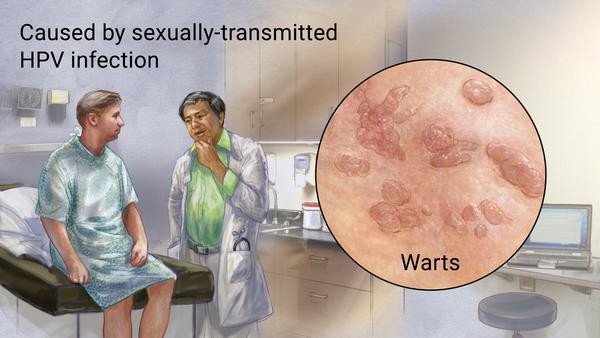
Condyloma acuminata:

Cause: HPV 6,11 while HPV 16, 18 causes Cervical cancer

Symptoms: 90% HPV no symptoms, warts on genitalia & mouth, can spread to other parts by touching/auto-inoculation. 

Transmission: Sex: Vaginal, anal, Oral; ChildbirthSharing clothes; auto-inoculation.

Inv: Pap smear to detect Cervical Dysplasia, Characteristic finding: Koilocytes (Large nucleus surrounded by Halo) 

DX: Clinical inspection sufficient.

Biopsy of Wart, DNA Hybridization test (Swab sample).

RX: Observation as most resolves within 1-2 years except Anogenital warts.

Surgical: Burn of the warts using Liquid Nitrogen or Salicyclic acid.

Topical: Podophyllin (Podofilox), Imiquimod, Trichloracetic acid .

Prevention: Condoms, Dental Dams, For Child Birth with Mother HPV – C Section is done.

HPV Vaccine prevents HPV 6,11,16,18, for Penile and Cervical cancer prevention (Recommended for female age 9-26).

Differential Diagnosis:

Condyloma Lata: Manifestation of Secondary Syphilis. Warts tend to be smooth, flat-topped, larger. 

Clinical: Look for recent hx of primary chancre (past few mod).

May be accompanied by other signs of secondary syphilis, I.e., constitutional sx (malaise, fever, H/A, nausea), lymphadenopathy.

Dx: RPR/VDRL. Rx: Benzathine Penicillin. 

For Cervical Cancer:

Pap Smear:

Woman 21-65 once Every 3 years

Pap smear & HPV Testing:

Woman 30-65 once Every 5 years if HPV is negative.

To get the most accurate results, Pap smear should be taken when one is not menstruating and avoided sexual intercourse, douches, or vaginal suppositories for 48 hours beforehand. This is because these fluids may alter the results of the lab tests. 

Case Scenario 1:

A 24 year old man comes to the clinic because of 2 “bumps” on his penis and scrotum. The lesions have been there for approximately 7 months and have been progressively larger. They are not painful. He is sexually active with 2 female partners, who are both on oral contraceptive pills and so they do not use barrier contraception. He had chlamydial urethritis last year. His temperature is 37.0 C (98.6 F). Physical examination shows a 3mm flesh-colored, non-tender, lesion with a “heaped-up” appearance on the shaft of the penis and a 4mm lesion with a similar appearance on his scrotum. The remainder of the examination is unremarkable. A rapid plasma regain (RPR), VDRL, and flourescent treponemal antibody absorption (FTA-ABS) test are all non reactive. In addition to providing the appropriate treatment, he should be told that:


(Note: Since RPR, VDRL, FTA-AB are non reactive, it is not syphilis)

A. Condoms will prevent the spread of this disease to future sexual partners

B. His sexual partners should be evaluated because they may be at an increased risk for cervical cancer

C. Oral suppressive therapy will decrease the frequency of recurrences

D. The state health department will be contacted because this is a notifiable infectious disease

E. Treatment will eradicate the infection

Ans. B

Case Scenario 2:

A 24-year-old woman comes to the clinic for a periodic health maintenance examination. She has no complaints. She exercises daily, eats a low fat diet, drinks “a couple of beers” with friends on the weekends, and is a “social” cigarette smoker. She has multiple sexual partners and uses oral contraceptive pills as birth control. She does not use condoms because “it is not as pleasurable”. Her blood pressure is 110/70 mm Hg and pulse is 60/min. Her physical examination is unremarkable. You perform a pelvic examination and send a Pap smear to the laboratory for evaluation. The results, which return 5 days later, show two superficial squamous cells with sharply demarcated, large perinuclear vacuoles and alterations in the chromatin pattern. They use the term “koilocytic atypia.” At this time the most correct statement about her condition is:

A. Acyclovir will decrease the shedding of the organism

B. Her Pap smear findings are unrelated to her sexual activity

C. She and her sexual partners should be treated with metronidazole

D. She may be at an increased risk for developing cervical cancer

Ans: D.

Case Scenario 3:

A 37-year-old man comes to the clinic because of bright red blood on the toilet paper with bowel movements. He can also feel “bumps” around his anus and wonders if they are hemorrhoidal masses. He tells you that he has had difficulty gaining weight in the past few years and admits to occasional heroin usage and multiple sexual partners. On examination, he appears emaciated with temporal wasting and lipodystrophy of the face. There are multiple moist, pink cauliflower-like 0.2 – 0.5 cm papules surrounding the anus. Digital rectal examination reveals gualac-negative, brown stool. He consents to whatever you think is appropriate management. At this time you should 

(Note: Multiple partners, heroin usage, losing lots of weight seems like he is Immunocompromised) 

A. Perform anoscopy 

B. recommend increased fluid intake and a high fibre diet 

C. refer him for resection of condylomata acuminata

D. refer him for resection of hemorrhoids

E. send studies for sexually transmitted diseases including HIV

Ans. E.

Question:
1.PV done in Virgin woman globally or not? 

Answer: No, ACP recommends against performing screening pelvic examination in asymptomatic, nonpregnant, adult women (strong recommendation, moderate-quality evidence).


The current evidence shows that harms outweigh any demonstrated benefits associated with the screening pelvic examination. Indirect evidence showed that screening pelvic examination does not reduce mortality or morbidity rates in asymptomatic adult women, as 1 trial showed that screening for ovarian cancer with more sensitive tests (transvaginal ultrasonography and CA-125) also did not reduce mortality or morbidity rates. Because CA-125 and transvaginal ultrasonography found all cancer detected by the screening pelvic examination as well as additional cancer and this earlier detection did not lead to a reduction in morbidity or mortality rates, we conclude that the screening pelvic examination alone would also not reduce morbidity or mortality rates. No studies assessed the benefit of pelvic examination for other gynecologic conditions, such as asymptomatic pelvic inflammatory disease, benign conditions, or gynecologic cancer other than cervical or ovarian cancer. Also, there is low-quality evidence that screening pelvic examination leads to harms, including fear, anxiety, embarrassment, pain, and discomfort, and possibly prevents women from receiving medical care. In addition, false-positive screening results can lead to unnecessary laparoscopies or laparotomies. Note that this guideline is focused on screening asymptomatic women; full pelvic examination with bimanual examinations is indicated in some nonscreening clinical situations. This guideline does not address women who are due for cervical cancer screening. However, the recommended cervical cancer screening examination should be limited to visual inspection of the cervix and cervical swabs for cancer and human papillomavirus and should not entail a full pelvic examination.

2.Can Speculum Exam/ Pap smear be done for Virgin woman?

Yes, using a small Speculum, called as Paediatric Speculum.

Gout

GOUT:
Inflammatory disease, Arthritis (knee, ankle, wrist, elbow) and Kidney

^Uric acid (Hyperuriemia) 

Monosodium Urate Crystals deposits (Tophus) (needle like crystals)

Purines -> Uric Acid -> Monosodium Urate Crystals -> Deposition -> Gout

^Red Meat, Shell fish (^ Purines consumption)

^Fructose Corn Juices (^Purine Production)
^Dehydration, Alcohol consumption (\/ uric acid clearance)

Obesity, Diabetes, Radiation, Genetic, CKD

Rx: Aspirin 

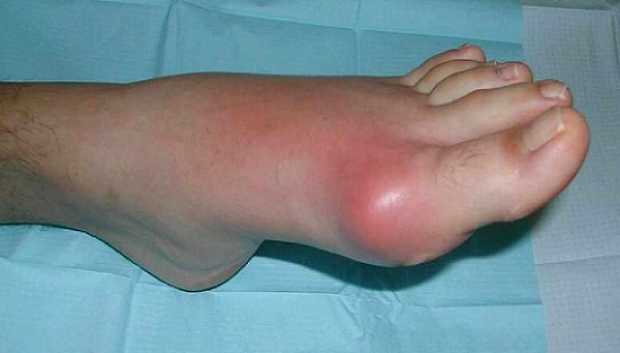
Podagra Pain (First Metatarsal of big toe) (Toe on fire)

Inflammation due to WBC

Inv:

Non Lab: X-Ray shows UA deposits in joints

Lab: Synovial Fluid Analysis, Uric Acid Level in Blood, CBC to see abnormal rise in WBC levels (To diff between Septic Arthritis and Gout)

To R/O Arthritis: Rheumatoid Factor (RF) and ANA (Anti-nuclear Antibody), Synovial Fluid (For Septic) 

RX: NSAIDs for Pain (Ibuprofen, Naproxen Sodium), Corticosteroids occasionally. Colchicine – Inhibits WBC migration. Treat Underlying cause: Diet Modification

Diet:
Hydration; Reduce alcohol, red meat, soda, sea food; Stay active.

Medication to decrease Uric Acid Levels:
1.Xanthine Oxidase Inhibitors : Allopurinol

Xanthine Oxidase is the enzyme responsible for conversion of Purines -> Uric Acid. Inhibiting XO decreases UA levels. 

2.Uricosuric Medications : Probenecid

Increases excretion of Uric Acid 

Chronic Gout : Arthritis, Tissue Destruction, ^ Kidney Stones

Contraindication: Thiazide Diuretics 

RX: Surgical excision of chalky white material from joint can render patient symptom free with ^  mobility. Histopath examination confirms gouty Tophus.

Diet:
Limit High Purine Food:

1.Offal, liver, kidney

2.pheasant, rabbit, venison

3.seafood, prawns, mussels, clams

4.sugar-sweetened soft drinks, soda, fruit juices

5.alcohol

6.refined sugar, biscuits, cakes

7.red meat

Low Purine Food:

1.dairy, milk, yogurts, cheese

2.soya

3.eggs

4.fruits and vegetables

5.bread and cereals

6.pasta, rice, noodles

Diet: Vitamin C 500milligram per day is useful in decreasing gout, cherries are great choice of edible for gout, coffee in moderation helps decreasing gout.

General Aim:
A gout diet is designed to help you:

  • Achieve a healthy weight and good eating habits
  • Avoid some, but not all, foods with purines
  • Include some foods that can control uric acid levels

A good rule of thumb is to eat moderate portions of healthy foods

Diet details

The general principles of a gout diet follow typical healthy-diet recommendations:

  • Weight loss. Being overweight increases the risk of developing gout, and losing weight lowers the risk of gout. Research suggests that reducing the number of calories and losing weight — even without a purine-restricted diet — lower uric acid levels and reduce the number of gout attacks. Losing weight also lessens the overall stress on joints.
  • Complex carbs. Eat more fruits, vegetables and whole grains, which provide complex carbohydrates. Avoid foods and beverages with high-fructose corn syrup, and limit consumption of naturally sweet fruit juices.
  • Water. Stay well-hydrated by drinking water.
  • Fats. Cut back on saturated fats from red meat, fatty poultry and high-fat dairy products.
  • Proteins. Focus on lean meat and poultry, low-fat dairy and lentils as sources of protein.

Recommendations for specific foods or supplements include:

  • Organ and glandular meats. Avoid meats such as liver, kidney and sweetbreads, which have high purine levels and contribute to high blood levels of uric acid.
  • Red meat. Limit serving sizes of beef, lamb and pork.
  • Seafood. Some types of seafood — such as anchovies, shellfish, sardines and tuna — are higher in purines than are other types. But the overall health benefits of eating fish may outweigh the risks for people with gout. Moderate portions of fish can be part of a gout diet.
  • High-purine vegetables. Studies have shown that vegetables high in purines, such as asparagus and spinach, don’t increase the risk of gout or recurring gout attacks.
  • Alcohol. Beer and distilled liquors are associated with an increased risk of gout and recurring attacks. Moderate consumption of wine doesn’t appear to increase the risk of gout attacks. Avoid alcohol during gout attacks, and limit alcohol, especially beer, between attacks.
  • Sugary foods and beverages. Limit or avoid sugar-sweetened foods such as sweetened cereals, bakery goods and candies. Limit consumption of naturally sweet fruit juices.
  • Vitamin C. Vitamin C may help lower uric acid levels. Talk to your doctor about whether a 500-milligram vitamin C supplement fits into your diet and medication plan.
  • Coffee. Some research suggests that drinking coffee in moderation, especially regular caffeinated coffee, may be associated with a reduced risk of gout. Drinking coffee may not be appropriate if you have other medical conditions. Talk to your doctor about how much coffee is right for you.
  • Cherries. There is some evidence that eating cherries is associated with a reduced risk of gout attacks.

Monitoring Gout:
1.Serum Uric Acid – Once every month after starting treatment (Allopurinol)

2. Once UA comes down to below 360µmol/L, Serum Uric Acid and RFT can be done once every year.

ReplyForward